
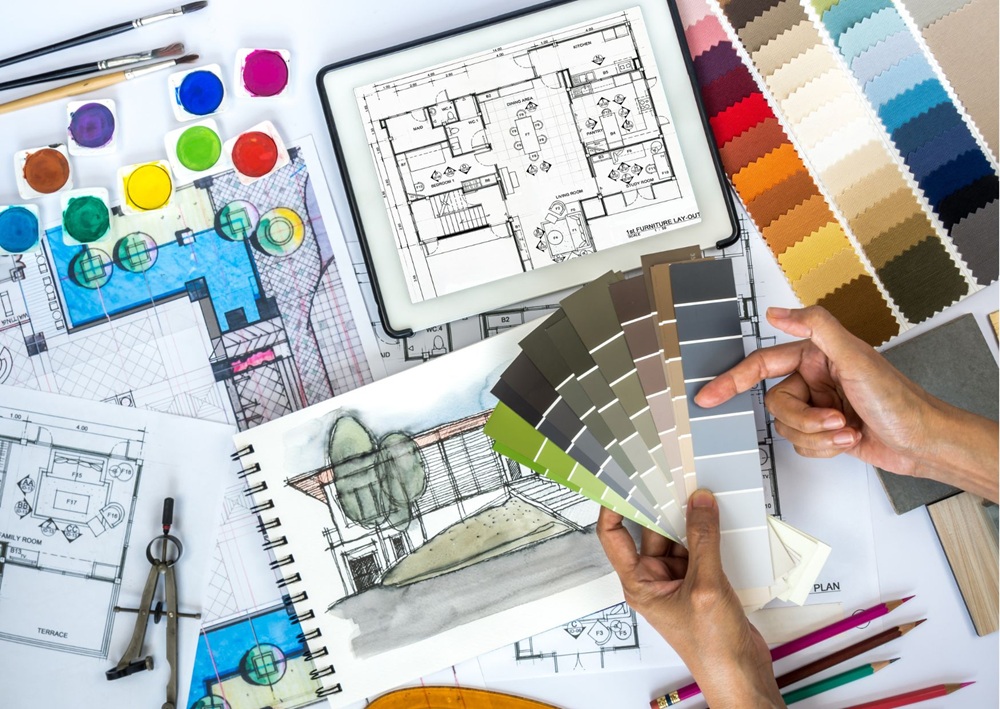
Knowing when to hire an interior designer can make a major difference in how smoothly a home project develops and how successful the final result feels. There is no single project size, budget, or design style that automatically determines whether professional help is necessary. Instead, the right time often depends on the complexity of the decisions involved, the amount of money being invested, the scope of the work, and how confident you feel managing everything on your own.
Hiring an interior designer can be especially valuable when a project involves multiple rooms, major purchases, renovations, custom cabinetry, lighting decisions, space planning, or coordination with contractors and other professionals. A designer can help create a cohesive direction from the beginning, making sure that individual choices involving furniture, materials, finishes, colors, and layouts work together rather than feeling disconnected.
Some homeowners choose to hire an interior designer before construction begins so that the design vision can influence important decisions early in the process. Others seek professional help later, after becoming overwhelmed by furniture options, finish selections, room layouts, delivery schedules, or the number of decisions that still need to be made.
If you find yourself repeatedly questioning choices, struggling to visualize the finished space, or worrying about making expensive mistakes, it may be a good time to consider professional design support. An experienced interior designer can help simplify the process, organize priorities, and create a clearer path toward a home that feels both functional and thoughtfully designed.
The Best Time Is Usually Earlier Than You Think

When to hire interior designer support is a question many homeowners ask after a project is already underway, but the greatest benefits often come from involving a designer earlier. Before major purchases are made or construction decisions are finalized, a designer has more flexibility to help shape the overall direction of the project.
Choosing to hire an interior designer early allows important elements such as furniture layouts, lighting placement, cabinetry dimensions, material selections, and room flow to be considered together. These decisions often affect one another, so addressing them before plans are locked in can help create a more cohesive result.
An experienced interior designer can also communicate with contractors, architects, suppliers, and trades to help keep design decisions aligned throughout the project. If you are deciding when to hire an interior designer, the most effective answer is often before expensive or difficult-to-change choices have already been made.
12 Signs It May Be Time to Hire an Interior Designer
There is no universal rule for when professional design help becomes necessary, but there are several clear signs that hiring an interior designer could make your project easier, more efficient, and more successful. Homeowners often reach this point when they feel overwhelmed by decisions, struggle to visualize how individual ideas will work together, run into space-planning challenges, or simply do not have enough time to manage every detail on their own.
A designer can help bring structure to a process that may otherwise feel fragmented. The goal is not to take control away from the homeowner, but to provide experienced guidance so that decisions feel more intentional and the finished home feels more cohesive. If several of the situations below sound familiar, it may be the right time to consider professional design support.
You Feel Overwhelmed by Too Many Design Choices
One of the clearest signs that it may be time to hire an interior designer is decision fatigue. Flooring, paint colors, countertops, cabinetry, tile, furniture, lighting, fabrics, hardware, and finishes can create an enormous number of choices, especially when each decision affects the next.
An interior designer consultant can help narrow those options based on your goals, lifestyle, preferences, and budget. Instead of adding more possibilities, the designer helps create a focused direction. This can make the process feel more manageable and reduce the risk of making selections simply because you are tired of deciding.
You Have Ideas but Cannot Create a Cohesive Vision
It is easy to collect inspiration from magazines, social media, showrooms, or saved images, but translating those ideas into one unified home can be much more difficult. A room may contain individually attractive pieces and still feel disconnected if the colors, materials, scale, and style do not relate to one another.
A great interior designer looks at the entire environment rather than treating each decision separately. Layout, furniture, architecture, texture, color, materials, and lifestyle are considered together so the finished result feels intentional. The goal is not to copy a single inspiration image, but to create a cohesive design that reflects your preferences and works in your specific space.
Your Floor Plan or Furniture Layout Is Not Working
A room can feel awkward even when it contains beautiful furniture. Poor traffic flow, oversized pieces, empty corners, limited storage, and competing functions can all make a space uncomfortable to use.
Professional space planning can help identify why the room is not working and what needs to change. An interior designer can consider circulation, furniture scale, focal points, storage, and how the room is actually used throughout the day. In some cases, the solution may involve reconfiguring the layout rather than purchasing more furniture. Better planning can improve both functionality and comfort.
You Are Planning a Renovation or New Build
One of the best times to hire interior designers is before construction decisions are finalized. Early design involvement allows finishes, cabinetry, lighting, plumbing, millwork, dimensions, and furniture placement to be considered together.
This is especially important because many choices made during construction directly affect the finished interior. Lighting locations may depend on furniture placement. Cabinet dimensions may influence appliance selection. Plumbing locations may affect vanity design. Bringing a designer into the process early can help reduce conflicts and create stronger coordination between the technical and visual aspects of the project.
You Are About to Spend a Significant Amount on Furniture or Finishes
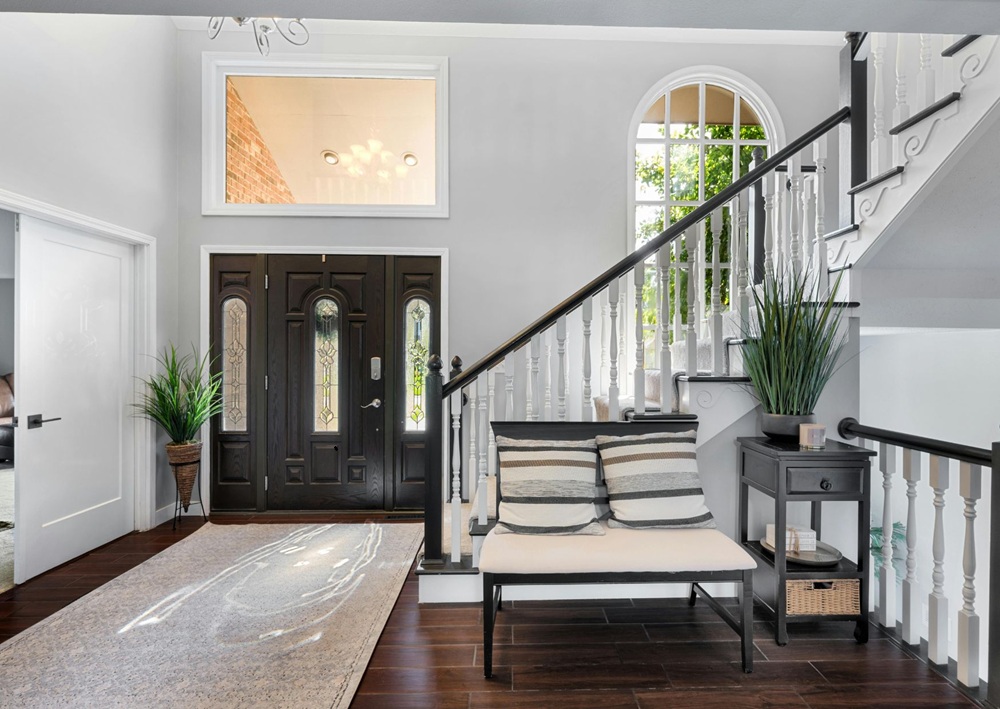
The larger the investment, the more important it becomes to make informed decisions. A sofa that is the wrong size, a stone surface that does not coordinate with the cabinetry, a light fixture that feels out of scale, or a finish that is not durable enough for the space can become expensive mistakes.
Hiring an interior designer before making major purchases can help reduce that risk. A professional can evaluate dimensions, materials, color relationships, and practical performance before orders are placed. This is particularly valuable when items are custom, nonreturnable, or costly to replace.
You Keep Buying Things but the Room Still Feels Unfinished
Sometimes a room feels incomplete even after additional furniture, accessories, and décor have been added. The problem may not be that the space needs more. It may need better balance, stronger visual hierarchy, improved scale, or more thoughtful editing.
An experienced interior designer can identify what is missing and, just as importantly, what should be removed. The solution may involve repositioning furniture, changing the rug size, adjusting lighting, simplifying accessories, or creating a stronger connection between colors and materials. A finished room usually depends on relationships between elements rather than the number of items in it.
You Want a More Personalized Home
A well-designed home should feel connected to the people who live there. It should support daily routines, reflect personal tastes, accommodate family needs, and make room for meaningful furniture, artwork, or belongings.
An interior designer can help translate those personal details into a cohesive design. Rather than applying a generic style, the process can be shaped around how you live and what matters to you. Existing possessions may be incorporated alongside new selections, and the overall design can be tailored to create a space that feels individual rather than staged.
You Do Not Have Enough Time to Manage the Project
Interior projects require far more time than many homeowners expect. Researching materials, comparing products, communicating with vendors, tracking orders, coordinating deliveries, reviewing lead times, scheduling installers, and resolving unexpected issues can quickly become overwhelming.
Hiring an interior designer can reduce the amount of day-to-day project management you need to handle personally. Depending on the scope of service, a designer may assist with sourcing, ordering, vendor communication, delivery coordination, scheduling, and installation oversight. This can be especially valuable for homeowners balancing work, family, travel, or other responsibilities.
You Want Professional Results Rather Than a DIY Look
There is a difference between a room that contains good products and one that feels fully resolved. Professional results often come from details that are easy to overlook, including proportion, scale, material transitions, lighting, custom elements, finishing details, and the relationship between furnishings and architecture.
A designer can also have access to trade resources, specialized vendors, custom options, and industry connections that may not be as easy for homeowners to source independently. These resources, combined with design experience, can help create a more polished and cohesive final result.
You Need Someone to Coordinate Multiple Professionals
Renovations and larger design projects often involve many people, including architects, contractors, cabinetmakers, fabricators, electricians, plumbers, installers, suppliers, and other trades.
Without clear communication, decisions can become inconsistent or fall through the gaps. A designer can help connect the design vision with the people responsible for executing it. This may involve clarifying material selections, reviewing dimensions, communicating finish details, or helping resolve design questions as they arise.
Having one professional who understands the overall vision can make coordination more efficient and help keep everyone working toward the same result.
You Are Worried About Making Expensive Mistakes
Fear of making the wrong decision can slow a project down and make every choice feel more stressful. This is especially true when purchases are expensive, custom, or difficult to change later.
Professional planning can reduce the likelihood of mistakes such as ordering the wrong size, selecting incompatible materials, choosing finishes that do not perform well, or purchasing furniture that does not fit the space properly.
The value of hiring an interior designer is not simply about spending less. It is about making more informed decisions and reducing the need to reorder, resize, replace, or redesign elements after money has already been spent.
The Project Is Becoming Stressful Instead of Exciting
A home project often begins with enthusiasm, but that excitement can fade when the process becomes dominated by decisions, delays, logistics, and unexpected challenges.
If you are spending more time worrying about the project than enjoying it, professional support may help. An interior designer can take on part of the coordination, organize decisions, troubleshoot design challenges, and help keep the project moving forward.
The goal is to make the process feel clearer and more manageable. Hiring an interior designer can allow you to stay involved in the decisions that matter most while receiving support with the details that can otherwise become overwhelming.

When To Hire An Interior Designer During a Renovation or New Build
Knowing when to hire an interior designer during a renovation or new build can have a major impact on both the process and the final result. The earlier a designer becomes involved, the more opportunity there is to coordinate architecture, furnishings, lighting, materials, storage, and daily function as part of one complete plan.
Homeowners often assume interior design begins after construction, but many important design decisions are made much earlier. Floor plans affect furniture placement, electrical plans influence lighting and technology, cabinetry determines storage and room function, and finish selections shape the overall visual direction.
When to hire interior designers is therefore not only about whether professional help is needed, but also about bringing that help in before critical decisions become difficult or expensive to change.
Before Finalizing the Floor Plan
A floor plan should do more than show walls, doors, and windows. It should support the way the home will actually be used.
Furniture placement, circulation paths, storage needs, kitchen layouts, entertaining, work areas, and everyday routines should all influence architectural decisions. An interior designer can review how rooms relate to one another and identify potential problems before construction begins.
This may include improving traffic flow, adjusting furniture clearances, creating better storage opportunities, or reconsidering the placement of doors and openings. Bringing a designer in before the floor plan is finalized allows function and architecture to develop together rather than trying to solve layout problems later.
Before Electrical and Lighting Plans Are Finalized
Electrical and lighting decisions are closely connected to furniture placement and room function.
Switches, sconces, pendants, recessed lighting, floor outlets, bedside outlets, art lighting, and decorative fixtures all work best when they are planned around the final use of the space.
For example, a dining pendant should relate to the table location, wall sconces should align with furniture or artwork, and floor outlets may be needed when seating floats away from the walls.
An interior designer can help coordinate these details before walls are closed and electrical work is completed. Early planning often creates a more polished result and reduces the need for inconvenient changes later.
Before Cabinetry, Tile, Flooring, and Finishes Are Ordered
Cabinetry, tile, flooring, countertops, hardware, paint, and other finishes should be considered as parts of one larger material palette.
Selecting each item independently can result in colors, undertones, textures, or styles that compete with one another once they are installed together.
An interior designer can help evaluate these materials side by side and consider how they relate to lighting, architecture, furniture, and the rest of the home.
This is also an important time to confirm dimensions, transitions, edge details, hardware finishes, and other decisions that may affect installation. Finalizing the design before orders are placed can help create greater consistency throughout the project.
Before Buying Major Furniture
Major furniture purchases should ideally happen after a clear space plan has been developed.
Sofas, dining tables, beds, rugs, case goods, and other large pieces need to work with the dimensions of the room, circulation paths, architectural features, and one another.
An interior designer can confirm appropriate scale and proportions before expensive purchases are made. Lead times should also be considered, especially for custom or made-to-order pieces that may require months to produce.
Access is another practical concern. Door widths, elevators, staircases, hallways, and tight corners can affect whether large furniture can actually reach its intended location. Planning these details early can prevent costly mistakes.
Is It Ever Too Late to Bring in a Designer?
It is rarely too late to benefit from professional design help. Even when construction is well underway or major architectural decisions have already been made, a designer can still improve furniture selections, color, lighting, rugs, window treatments, artwork, accessories, and overall styling.
However, earlier involvement generally provides more flexibility. When to hire an interior designers is best considered before permanent decisions are finalized, because designers can contribute more when there is still time to influence layouts, lighting, materials, cabinetry, and other foundational elements.
If a project has already started, professional guidance can still help identify the strongest remaining opportunities and bring greater cohesion to the finished space.
When To Hire An Interior Decorator Instead of an Interior Designer
Knowing when to hire an interior decorator instead of an interior designer depends largely on the type of project, the level of planning involved, and whether the work affects the structure or function of the space. Both professionals can help improve the look and feel of a home, but their roles may differ depending on the scope of services they provide.
If your project involves major planning decisions, renovation work, space planning, or coordination with contractors and trades, an interior designer may be the more appropriate choice. If your home is already structurally complete and you mainly want help with furnishings, color, textiles, and styling, an interior decorator may be better suited to the project.
Because professional scopes can vary, homeowners should always review the specific services offered rather than relying only on the job title.
Hire an Interior Designer for Planning, Renovation, or Complex Spatial Decisions
An interior designer is often most valuable when the project involves decisions that affect how a space functions as well as how it looks. This can include room layouts, built-in storage, custom cabinetry, finish selections, lighting coordination, flooring, kitchen and bathroom planning, and other details connected to renovation or new construction.
Interior designers may also work alongside contractors, architects, suppliers, and trades to help ensure that design decisions remain coordinated throughout the project. Their involvement can be especially useful when multiple elements need to be planned together, such as lighting locations, cabinetry dimensions, furniture placement, and material transitions.
If the project requires significant spatial planning or construction-related decisions, hiring an interior designer early can help create a more cohesive and functional result.
Consider an Interior Decorator for Furnishings and Cosmetic Updates
When to hire an interior decorator is a more relevant question when the basic layout and architecture of the home are already working well and the main goal is to refresh the appearance of the space.
An interior decorator may help with furniture, rugs, paint colors, fabrics, window treatments, artwork, accessories, and styling. This can be especially useful when a room feels dated, unfinished, or visually disconnected but does not require major structural changes.
A decorator can help bring existing pieces together, introduce new furnishings, create a more coordinated color palette, and refine the final layers of a room.
However, titles and services vary from one professional to another. Before deciding whether to work with an interior designer or decorator, review the actual scope of services offered and make sure it matches the needs of your project.
How Can Hiring an Interior Designer Save Time and Reduce Stress?
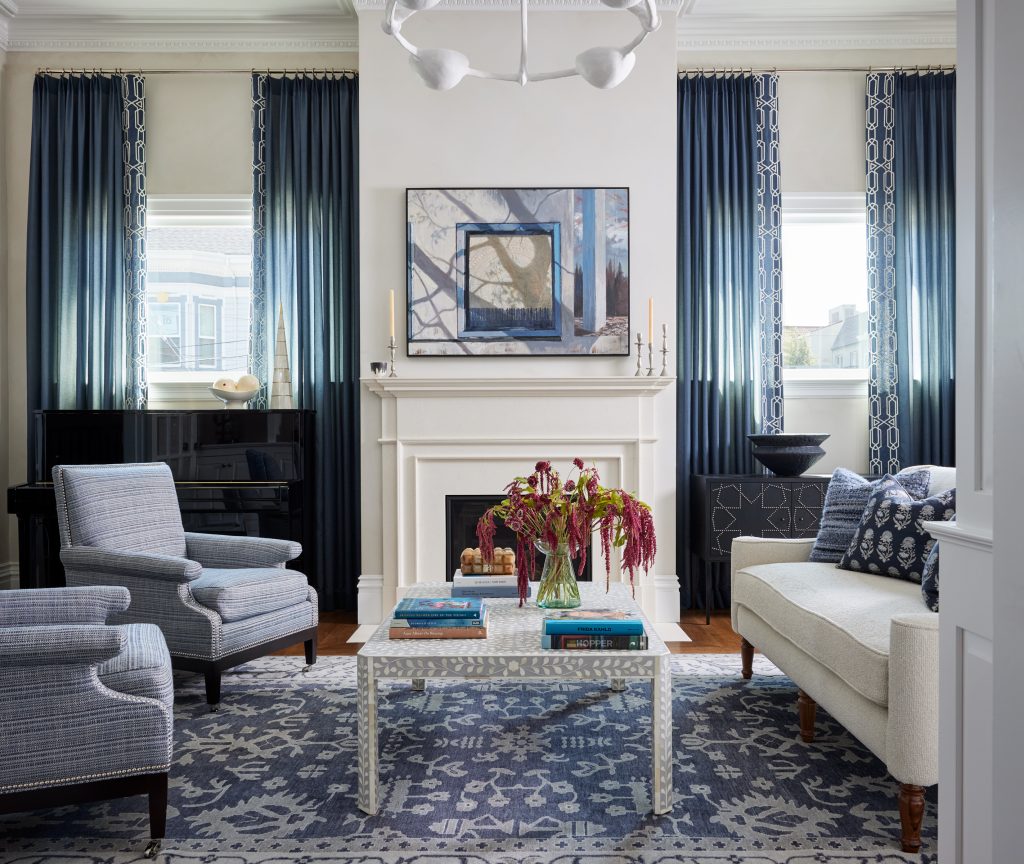
Hiring an interior designer can provide practical benefits that go far beyond creating a more attractive home. Design projects often involve a large number of decisions, products, schedules, and people, and managing all of those elements independently can quickly become overwhelming.
A designer can help simplify the process by creating a clear direction, narrowing choices, assisting with sourcing, and helping coordinate the many moving parts involved in a project. This can reduce decision fatigue and make the experience feel more organized from beginning to end.
Professional guidance can also help homeowners focus on the decisions that matter most instead of spending large amounts of time researching every possible option.
Designers Narrow the Decision-Making Process
One of the most time-consuming parts of a home project is sorting through endless choices. Paint colors, tile, flooring, furniture, lighting, fabrics, and finishes can quickly create decision fatigue.
A designer can filter those options according to the project’s style, budget, function, and overall design direction. Instead of presenting an unlimited number of possibilities, the designer can help narrow the field to selections that are more likely to work well together.
This makes decisions easier and can reduce the time spent researching, comparing, and second-guessing every choice.
Designers Handle Sourcing and Coordination
Design projects often require more logistical work than homeowners initially expect. Products must be researched, ordered, tracked, delivered, and sometimes installed in a specific sequence.
A designer may assist with sourcing materials and furnishings, communicating with vendors, coordinating deliveries, and working with contractors or installers. This can help reduce the amount of day-to-day follow-up required from the homeowner.
By helping organize schedules and communication, a designer can also make it easier to keep the project moving forward when several professionals or suppliers are involved.
Designers Help Keep the Overall Vision Consistent
A home project can involve hundreds of individual decisions, and without a clear design direction, those choices can begin to feel disconnected.
An interior designer helps maintain consistency by evaluating each decision in relation to the larger concept. Furniture, finishes, lighting, materials, color, and layout can all be considered as parts of one complete design rather than separate purchases.
This makes it easier to create a home that feels cohesive from room to room. It can also reduce the stress of wondering whether each new selection will work with the decisions that have already been made.
Can Hiring an Interior Designer Actually Help Your Budget?
Hiring an interior designer does not automatically make a project less expensive, and it should not be presented as a guaranteed way to save money. The real financial value often comes from making better-informed decisions, avoiding preventable mistakes, and directing the budget toward the areas that will have the greatest impact.
A design project can involve large expenses across furniture, lighting, cabinetry, finishes, flooring, hardware, and installation. When these decisions are made without a clear plan, it becomes easier to overspend in some areas while underinvesting in others. Professional guidance can help create a more balanced approach, allowing homeowners to understand where higher-quality materials or custom solutions may be worthwhile and where more economical options can still achieve the desired result.
A Designer Cannot Make Every Project Cheap—but Can Help You Spend More Strategically
An interior designer cannot remove the real costs associated with quality materials, skilled labor, custom work, or complex renovations. However, a designer can help homeowners make more intentional choices within the budget they have.
This may include identifying priorities early, comparing alternatives, and making sure major purchases support the overall plan. Instead of treating every selection as equally important, the budget can be allocated based on function, visibility, durability, and long-term value.
The benefit is not simply spending less. It is spending with greater purpose. A well-structured design plan can help reduce unnecessary purchases, limit last-minute changes, and make it easier to focus resources where they matter most.
Avoiding the Wrong Purchases Can Protect the Budget
One of the easiest ways for a design budget to grow unexpectedly is through mistakes that require replacement or reordering. Furniture that is too large for a room, lighting that feels out of scale, finishes that do not coordinate, or materials that are not durable enough for the intended environment can all create additional costs.
Professional planning can reduce the likelihood of these problems by considering dimensions, performance, color relationships, and overall compatibility before purchases are finalized.
This is especially important for custom, made-to-order, or nonreturnable items. Correcting a poor selection after installation or delivery can be far more expensive than evaluating the decision carefully from the beginning.
A Designer Can Help Prioritize Where to Invest
Not every element in a room requires the same level of investment. Some areas may benefit from higher-quality materials, custom craftsmanship, or durable furnishings, while other selections can be more budget-conscious without compromising the overall design.
A designer can help identify where spending will have the strongest visual, functional, or long-term impact. For example, investing in a well-made sofa, durable flooring, or quality cabinetry may make more sense than spending heavily on smaller decorative pieces that can be updated more easily.
This balanced approach can help homeowners stay more focused on the overall budget while still creating a polished and cohesive result.
Conclusion: When Should You Make the Call?
Deciding when to hire an interior designer depends less on the size of your home and more on the complexity of the decisions ahead. A small project with difficult space-planning challenges, custom purchases, or a significant investment may benefit from professional help just as much as a larger renovation.
Early involvement is particularly valuable when the project includes construction, floor-plan decisions, cabinetry, lighting, finishes, or major furniture purchases. These decisions often affect one another, and professional guidance can help create a more coordinated plan before expensive choices are finalized.
For decorating-only projects, hiring a designer or decorator can still be worthwhile when the space feels disconnected, furniture is difficult to arrange, colors are not working together, or the finishing details never seem quite right.
The right time to hire an interior designer is often when the project begins to feel more complicated than expected or when the consequences of making the wrong decision become significant.
If you are spending a great deal of time wondering whether it is time to hire an interior designer, that uncertainty may itself be a sign that a professional consultation could provide clarity. A conversation with an experienced interior designer can help you understand which level of support makes sense and whether professional involvement could make your project more organized, efficient, and successful.
Frequently Asked Questions About When To Hire An Interior Designer
When is the best time to hire an interior designer?
The best time to hire an interior designer is usually before major decisions are finalized. Early involvement gives the designer more flexibility to influence space planning, lighting, cabinetry, finishes, furniture placement, and material selections.
If a project includes construction or renovation, bringing in a designer before work begins can help create better coordination between the architectural and decorative elements. For furnishing projects, it is often helpful to hire a designer before purchasing major pieces so scale, layout, and overall direction can be considered first.
Should I hire an interior designer before hiring a contractor?
In many cases, it can be helpful to involve an interior designer before or around the same time you begin speaking with a contractor. A designer can help clarify the visual direction, functional priorities, finish selections, and space-planning needs before construction details are finalized.
This can make conversations with contractors more productive because important design decisions are already beginning to take shape. The exact sequence may vary depending on the project, but early collaboration often creates a smoother process.
Should I hire an interior designer before buying furniture?
Yes, especially if you are making significant furniture purchases. A designer can help establish the layout, dimensions, scale, and overall style of the room before orders are placed.
This can reduce the risk of buying pieces that are too large, too small, difficult to place, or visually disconnected from the rest of the home. It can also help ensure that furniture works with circulation, lighting, architectural features, and existing pieces.
Is it worth hiring an interior designer for just one room?
It can be. A single-room project may still involve important decisions about layout, furniture, color, lighting, rugs, window treatments, artwork, and storage.
If the room is difficult to arrange, highly visible, or involves a significant investment, professional guidance can help make the result feel more complete and intentional. The value of hiring a designer depends more on the complexity of the decisions than on the number of rooms involved.
How early should I hire an interior designer for a new build?
For a new build, it is generally beneficial to involve a designer as early as possible. Early participation allows interior considerations to influence floor plans, lighting locations, cabinetry, plumbing, finishes, storage, and furniture placement before those decisions become difficult to change.
The earlier the designer is involved, the more opportunities there are to coordinate function and aesthetics as part of one complete plan.
Can I hire an interior designer after construction has already started?
Yes. Even if construction is already underway, an interior designer can still contribute to many important decisions.
Depending on the stage of the project, there may still be opportunities to refine lighting, finishes, furniture, paint colors, window treatments, artwork, accessories, and styling. However, earlier involvement usually provides more flexibility because fewer decisions have been locked in.
What does an interior designer consultant do?
An interior designer consultant typically provides professional guidance on specific design questions without necessarily managing the entire project.
This may include reviewing layouts, recommending furniture, selecting finishes, advising on color, evaluating materials, or helping establish a broader design direction.
Consulting can be useful for homeowners who want expert input but do not need full-service project management.
How do I know if I need an interior designer or an interior decorator?
An interior designer is often a better fit when the project involves space planning, renovation, cabinetry, lighting coordination, built-ins, construction details, or complex functional decisions.
An interior decorator may be more appropriate when the main goal is to improve the appearance of an already functional space through furniture, paint, rugs, fabrics, artwork, and accessories.
Professional scopes vary, so it is important to review the services offered rather than relying only on the title.
When To Hire An Interior Decorator instead of a designer?
When to hire an interior decorator often depends on whether your project is primarily cosmetic.
If the room already functions well and you mainly need help with furniture, color, styling, fabrics, rugs, and finishing details, a decorator may be a suitable choice.
If the project involves structural changes, complex space planning, or coordination with contractors and trades, an interior designer may be more appropriate.
How much should I budget before hiring an interior designer?
There is no single budget that applies to every project because costs vary based on scope, size, complexity, materials, furnishings, and the level of service required.
Before hiring a designer, it is helpful to have a realistic idea of what you are comfortable investing in the project. A designer can then help determine how that budget may be allocated and whether the goals are aligned with the available resources.
Can an interior designer help me avoid costly design mistakes?
Yes, professional planning can reduce the likelihood of mistakes involving scale, dimensions, materials, finishes, furniture, and layout.
Examples may include purchasing furniture that does not fit, selecting finishes that do not coordinate, ordering materials that are not appropriate for the intended use, or making construction decisions that later limit furniture placement.
The goal is not to guarantee that every challenge will be avoided, but to make decisions with more information and planning from the beginning.
Can an interior designer work with furniture I already own?
Yes. Many designers incorporate existing furniture, artwork, antiques, or meaningful personal items into a new design.
A designer can evaluate which pieces work well, where they might be placed, and whether they could be refreshed through reupholstery, refinishing, or a different arrangement.
Using existing pieces can also help make the final interior feel more personal and collected.
What should I prepare before meeting an interior designer?
Before the first meeting, it can be helpful to think about your goals, priorities, timeline, budget, and the way you currently use the space.
You may also want to gather inspiration images and identify existing furniture or artwork you hope to keep.
The more clearly you can communicate what is working, what is not, and what you want the project to accomplish, the easier it will be for the designer to understand your needs.
How do I find the best interior designers near me?
Start by looking for designers whose portfolios, services, and project types align with your needs.
Review the quality and consistency of their work, but also pay attention to whether their projects show range rather than one repeated look. Ask about their design process, communication style, purchasing approach, project experience, and service area.
The best interior designers for your project are not necessarily those with the most recognizable style, but those whose experience and process are a good match for your goals.
What is included in Interior Designer Hiring Services?
Interior designer hiring services can vary widely depending on the professional and the project.
Services may include consultation, space planning, furniture layouts, material and finish selections, lighting guidance, cabinetry design, furniture sourcing, purchasing, vendor coordination, installation support, and final styling.
Before hiring, ask for a clear explanation of what is included so you understand the scope of service and responsibilities.
Should I hire an interior designer if I already know my style?
Yes, you may still benefit from professional guidance even if you have a strong sense of your preferred style.
Knowing what you like does not always make it easy to translate those preferences into a cohesive home. A designer can help refine your ideas, improve scale and proportion, coordinate materials, and make sure the finished space functions as well as it looks.
Can an interior designer help when my home feels unfinished?
Yes. A home may feel unfinished because of issues with scale, lighting, furniture placement, color balance, artwork, window treatments, or overall visual hierarchy.
An experienced designer can evaluate the room as a whole and identify what is missing or what may need to be removed. Sometimes the solution involves editing rather than adding more furniture or décor.
When To Hire Interior Designers for a whole-home renovation?
For a whole-home renovation, it is usually best to hire interior designers during the early planning stage.
This gives them time to coordinate room layouts, finishes, cabinetry, lighting, flooring, furniture plans, and transitions between spaces. Early involvement can also help create consistency throughout the home rather than making decisions room by room without a larger plan.
Is hiring an interior designer worth it if I have a limited budget?
It can be, depending on the type of support you need.
A limited budget may make professional planning especially valuable because there is less room for expensive mistakes. Some homeowners may choose consultation or limited-scope services instead of full-service design.
A designer can help establish priorities, identify where investment matters most, and suggest where more economical choices may still support the overall design.
What is the difference between a great interior designer and a decorator?
A great interior designer often combines aesthetic judgment with strong space-planning, problem-solving, and coordination skills. Their work may involve renovation, cabinetry, lighting, materials, architecture, furnishings, and project management.
A decorator generally focuses more heavily on the visual layers of a finished space, such as furniture, color, rugs, fabrics, artwork, and styling.
Both can provide valuable expertise, but the right choice depends on the scope and complexity of the project.